Watch: Inarritu’s ‘Birdman’ Is a Collage of Edits, Not Just One Take

Watch: Inarritu’s ‘Birdman’ Is a Collage of Edits, Not Just One Take

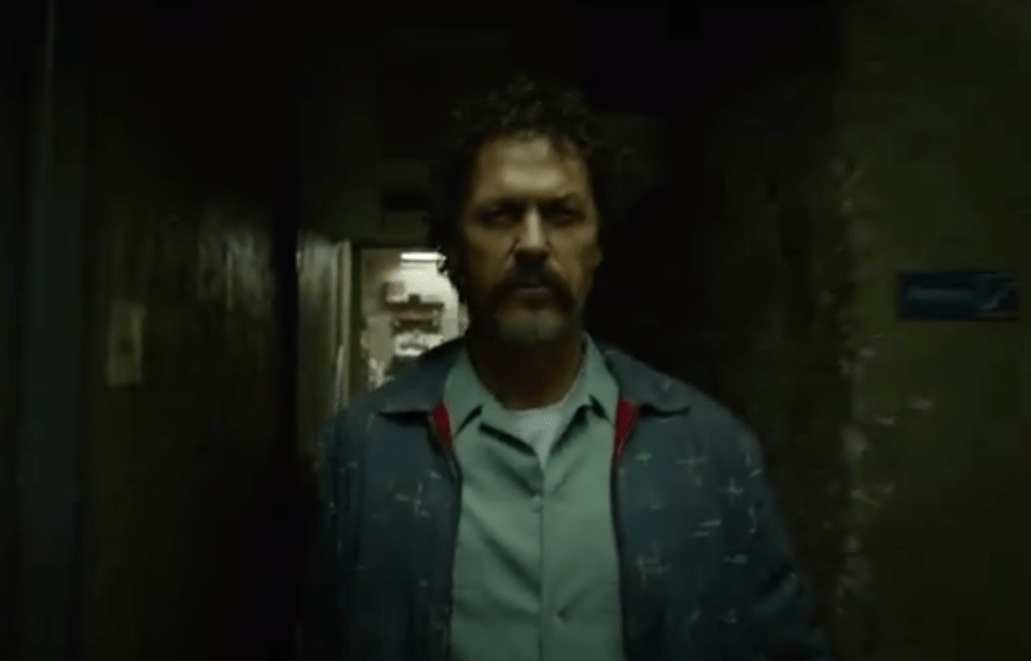
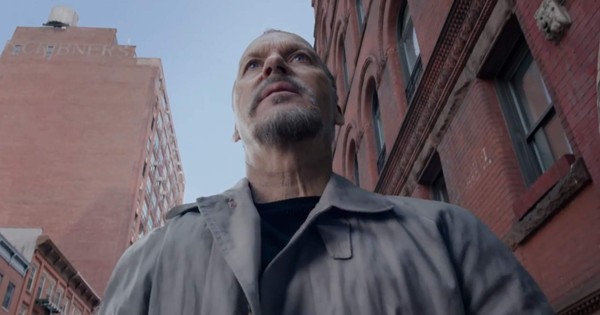
The kind souls at the YouTube channel The Film Theorists have served up a doozy with this piece on Alejandro González Iñárritu’s ‘Birdman," demonstrating not only that the film’s "single take" technique is actually the result of a myriad of takes, carefully spliced together and masked with the swerves of the camera–but also that this approach all started with Alfred Hitchcock’s 1948 film ‘Rope." Watch. Learn. Enjoy. Fly. 

Watch: The Intimate Side of Alejandro González Iñárritu

Watch: The Intimate Side of Alejandro González Iñárritu

It’s easy, when considering the work of Alejandro
González Iñárritu, to think he’s a master showman, an aficionado of the emotional grandstand, given to stadium-sized themes, maybe even a little maudlin. You would be justified in thinking that, in fact. It’s important to remember, though, that Iñárritu is also interested in the more shy, quiet side of emotional trauma and conflict, and how these stressors reveal themselves in the human face. Does Brad Pitt look glamorous when he’s sobbing in ‘Babel‘? No. Does Michael Keaton remind you of Bruce Wayne when he’s stomping around backstage in ‘Birdman‘ in a silly wig? No, and yet in both cases, the characters the actors play are withstanding Herculean challenges whose strain we can see in their humanized and imperfect appearance. Miguel Branco‘s lyrical and swift but also staggering homage to Iñárritu plays up a side of the director’s work which deserves longer shrift than it commonly receives: enjoy.

Watch: How the Visual Gaffes in Iñárritu’s ‘Birdman’ Make It a Better Film

Watch: How the Visual Gaffes in Iñárritu’s ‘Birdman’ Make It a Better Film

Alejandro González Iñárritu‘s ‘Birdman‘ is a curious film in that it thrives on both orientation and disorientation. As we move (literally) through the film along with Riggan Thompson, we become acquainted with his mind, if not sympathetic with his personality–he orients us, in that our view of the events on screen, even those which do not involve him directly, become filtered through his world view. However, paradoxically enough, as we become oriented in relation to Thompson, we become progressively disoriented in relation to the rest of the world. What are for Thompson wholly routine skitterings through the theater where his Raymond Carver drama is being performed become for us ramblings through an increasingly complex and dizzying maze. As the film moves forward, little discrepancies occur: a path that should lead back to the main stage leads elsewhere; Thompson in his skivvies makes a turn that should send him into the depths of Times Square but instead returns him to the theater; and so on. This well-arranged and articulate video essay by de Filmkrant takes a look at these inconsistencies, and argues convincingly that, far from detracting from the effect of the the film, they are very important to the film’s achievement, which is to describe the rise out of chaos of an utterly troubled, tortured artist.

WATCH: Alejandro González Iñárritu’s Cinema of Self-Awareness: A Video Tour

WATCH: Alejandro González Iñárritu’s Cinema of Self-Awareness: A Video Tour

In Shakespeare studies, the term anagnorisis means a moment of self-recognition, when a character becomes blazingly aware of his or her place in the world, and of his or her relationship with other characters, after a long period of denial. Hamlet, Macbeth, King Lear, and Othello are practically bursting with anagnorisis; the central figures of these plays cannot withstand the truth about themselves and, watching them, we cannot withstand it either. The films of Alejandro González Iñárritu have anagnorisis to spare, as well. It does not always have to be tragic: Riggan Thompson’s (Michael Keaton) flight in Birdman is an example. However, in the films of this director, more often than not, anagnorisis signifies the shouldering of a weight one did not think one could bear: see Richard’s (Brad Pitt) moment of reckoning with his wife’s injury in Babel, or Jack Jordan’s (Benicio del Toro) tragic glance within himself in 21 Grams. Edgar Martinez’s beautiful video flight through Iñárritu’s work calls up these moments and thrusts them out for our attention. When presented in such an open manner, it is hard not to recognize Iñárritu’s strength as a storyteller, whatever what one might think of him as an overall filmmaker.

Watch: The Expansiveness of Alejandro González Iñárritu: A Video Homage

Watch: The Expansiveness of Alejandro González Iñárritu: A Video Homage

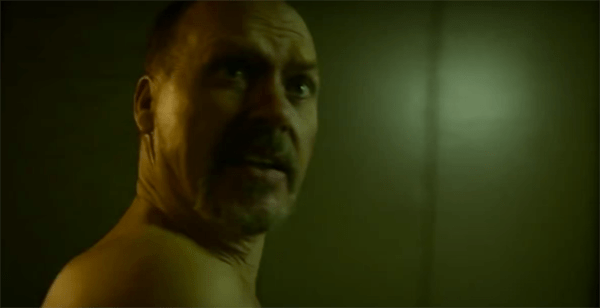
Alejandro González Iñárritu’s glance is always outwards. If a woman should be shot in the head while on a bus in a desolate mountain pass, as in Babel, the question is less Will she live? than What will the ramification of the event be for her loved ones in the present and future? If a washed-up actor of dubious talent is revealed to have special powers of telepathy and even flight, as in Birdman, the question is less How does he do that? than What does this mean for him, for his grasps at redemption? Do these powers make a difference? This expansiveness operates at a plot level, but it also operates cinematically. With its swoops, its close-ups, its lens flares, Iñárritu’s cinematography helps us to understand on a visceral level ideas which we might not immediately understand on an intellectual level. This video homage by Steven Thomas brings us into Iñárritu’s perceptive approach with intimacy and grace; this is a memorable tribute to a director who has carves out a place in film history with alarming speed.