IFC: The rise of film critic filmmaker

IFC: The rise of film critic filmmaker

Raising Cain Re-cut from Press Play Video Blog on Vimeo.

[EDITOR'S NOTE: Matt Singer over at the Independent Film Channel has written a fascinating piece discussing the rise of film critic filmmakers, tracing its storied history with filmmaker/critics such as Francois Truffaut through Peter Bogdanavich, who has a terrific blog right here at Indiewire. We have reprinted excerpts of this piece because it mentions Peet Gelderblom's Raising Cain Recut, which debuted right here are Press Play. Don't miss Matt Singer's excellent full article here. Here is the Recut (posted above), Singer's excerpt below, and the video essay which explains the project.

Matt Singer at IFC:

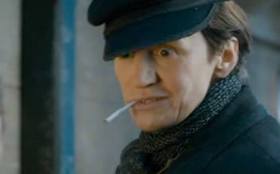
"A similarly audacious project was launched last week on the Indiewire blog Press Play by film critic filmmaker Peet Gelderblom. His “Raising Cain Re-cut” is a “Phantom Edit”-style revision of Brian De Palma’s 1992 film “Raising Cain.” As Gelderblom explains in an essay that accompanies his “Re-cut,” De Palma was never fully satisfied with the structure of his film and, exasperated in the editing room, he radically revised his initial conception of the picture during post-production. Gelderblom decided to take the theatrical version of “Raising Cain” and restore it to something closer to the director’s original vision. At least for now, you can watch the entire “Raising Cain Re-cut” in this embedded video.

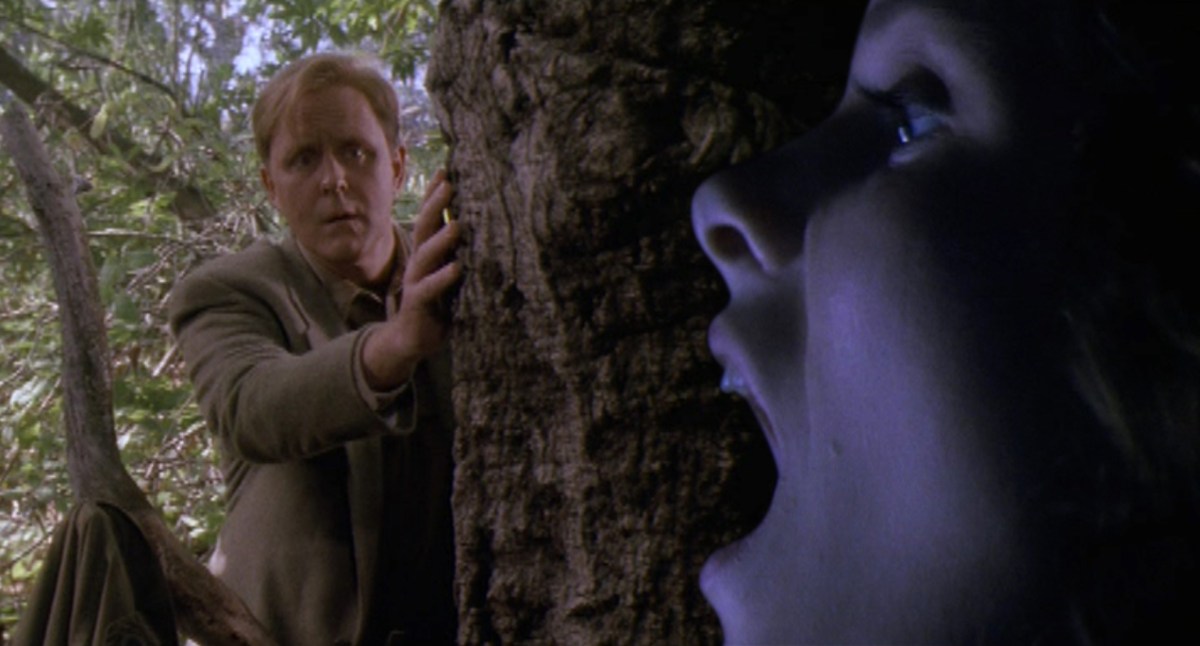
To get the full effect of Gelderblom’s work, I rewatched De Palma’s “Raising Cain” over the weekend and then dove immediately into the “Re-Cut” version. In my (non-filmmaker) film critic opinion, he’s done as good a job as seems possible with the material he had to work with. In interviews, De Palma stressed that his reason for making “Cain” was not (SPOILER ALERT) to tell the story of a crazy dude with multiple personalities, but really to delve into a romantic melodrama involving the crazy dude’s wife, who cheats on her husband in a surreal swirl of dreams and nightmares. In the theatrical version, John Lithgow’s Carter is established first — and established as a nutjob — before we ever meet his wife Jenny (Lolita Davidovich). Gelderblom’s biggest adjustment is to start with Jenny, and to keep Carter as a background character through the first twenty minutes of the film. Right after Jenny has succumbed to a series of fantasies (or perhaps true adulterous encounters) Carter surprises her by strangling her, seemingly to death.

There’s one major downside to Gelderblom’s version, namely that this protagonist fake-out makes “Raising Cain” look even more like a “Psycho” knock-off than it already did. But otherwise, his conceit works, and makes a certain amount of sense, too. Davidovich’s character is having a hard time telling the difference between dream and reality and all of a sudden her husband tries to kill her; which, at first, seems like another possible layer of dream. The “Re-cut”‘s biggest problem is that Gelderblom only has the original theatrical cut to play with — and his version could use at least a few more scenes of seeming domestic bliss between Jenny and Carter to really sell the big reveal, as well a a clearer transition between Carter’s attempted murder of Jenny and the flashback to the beginning of his wicked deeds.

All in all, though, it’s a very interesting effort. And while he hasn’t spoken publicly about it, I imagine De Palma would approve, if not with the execution then at least with the conception."

To read the entire article, click here.

‘SHOULD WIN’ VIDEO ESSAY SERIES: PRESS PLAY picks the Oscars

‘SHOULD WIN’ VIDEO ESSAY SERIES: PRESS PLAY picks the Oscars

null[EDITOR'S NOTE: Press Play presents "Should Win," a series of video essays advocating winners in seven Academy Awards categories: supporting actor and actress, best actor and actress, best director and best picture. These are consensus choices hashed out by a pool of Press Play contributors.]  


null

‘SHOULD WIN’ VIDEO ESSAY SERIES: Best Supporting Actress Janet McTeer, ALBERT NOBBS

‘SHOULD WIN’ VIDEO ESSAY SERIES: Best Supporting Actress Janet McTeer, ALBERT NOBBS

[EDITOR'S NOTE: Press Play presents "Should Win," a series of video essays advocating winners in seven Academy Awards categories: supporting actor and actress, best actor and actress, best director and best picture. These are consensus choices hashed out by a pool of Press Play contributors. Follow along HERE as Press Play decides the rest of the major categories including Best Picture, Best DirectorBest ActorBest ActressBest Supporting Actor and Best Documentary. Important notice: Press Play is aware that our videos can not be played on Apple mobile devices. We are, therefore, making this and every video in this series available on Vimeo for these Press Play readers. If you own an Apple mobile device, click here.]

Narration:

Pretty much all of this year's Best Supporting Actress nominees are great, although a puking, pooping Melissa McCarthy in Bridesmaids may not exactly be the stuff of Oscar dreams. Bérénice Bejo offers a charming modern take on a silent film ingenue-turned-star. Jessica Chastain especially can do no wrong as The Help's Marilyn Monroe-style damsel in distress. And in that same film, Octavia Spencer offers a terrific steadying subversion as a maid who won't tow the line. But it is Janet McTeer who should take this award. Albert Nobbs itself is nothing to write home about; its depiction of a woman masquerading as a male servant feels as dated as the myth of the tragic mulatto. McTeer is so subtly wrought as Hubert, a lesbian passing as a male painter, that she redeems the film. Too bad that Hollywood loves to lavish accolades upon straight people who play gay or transgendered, but rarely rewards actors who remain mum about their sexuality, as McTeer has. Wry and doggedly watchful, hers is the sort of unobtrusively generous performance that should define this category.

Lisa Rosman has reviewed films for Marie Claire, Time Out New York, Salon.com, LA Weekly, Us Weekly, Premiere and Flavorpill.com, where she was film editor for five years. She has also commentated for the Oxygen Channel, TNT, the IFC and NY1. You can follow Lisa on twitter here. Kevin B. Lee is Editor in Chief of Press Play. He is also a film critic and award-winning filmmaker. In addition to editing Keyframe, Kevin contributes to film publications and produces online video essays.

NELSON CARVAJAL: Film is dead but filmmaking is very much alive

NELSON CARVAJAL: Film is dead but filmmaking is very much alive

Film Is Dead: Edges Of The Digital Frame (exhibit promo) from Nelson Carvajal on Vimeo.

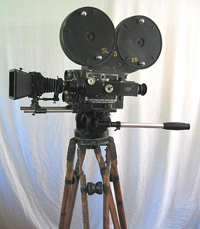
For the longest time, I’ve struggled with labeling myself a “filmmaker.” Maybe it’s a feeling of guilt that I have. The fact of the matter is I’ve never made a movie on film, on celluloid. Actually, I can’t think of a single reason for me to ever shoot on film. It’s ridiculously expensive, requires a slew of extra manpower in order to operate those bulky 35mm cameras and then on top of all that, exhibiting a movie through traditional film projection is becoming less of a reality for independent filmmakers. Thus, I always refer to myself as a “digital filmmaker.” Yes, I make movies (albeit short films, usually containing appropriated mixed media) but they’re all pieces of content that exist because of the streamlined workflow provided by digital production tools. “Filmmaking” is something I do and with as much fervor as any 35mm director has to offer but the big difference is that I am willing to embrace the time I live in. That time is an era where I can say out loud that film is dead. It’s dead to me as an artist. Yes, I love the cinema. I love going to movie art houses and listening to reels of films roar from the creaky projection booth. But for me to also say that I want to follow that route of physical creation makes about as much sense as a person going to a museum and saying they want to give the caveman era a crack at it himself or herself.

nullFor the truly independent content creators of today’s filmmaking scene, film should be dead in their eyes. It represents a dying medium that is not only less attainable (anybody plan on buying shares of Kodak Film these days?) but represents—in a more culturally relevant sense—a visual rhetoric of yesteryear. In fact, I’m excited about the new frontier of independent filmmaking. A new wave of radical digital filmmaking will push the envelope of the traditional narrative. We’re seeing traces of it already; from short films being photographed for the tablet-size canvas to tech pioneers utilizing Transmedia to further involve the audience in the film. It is truly an exciting time to step into the movie arena as an independent content creator.
So, for all these reasons above, I have curated a free video art exhibit called “Film Is Dead: Edges Of The Digital Frame” at the I Am Logan Square Gallery in Chicago, Illinois. For the month of February, people can step into the gallery space and experience underground videos (created by fellow digital filmmaker Amir George and myself) that play in loop across several TV monitors. There are also installation pieces (most notably a funeral setting that puts film in a casket) by designer Lea Palmeno. All in all, the exhibit serves as an opportunity to publicly put film on the cutting board. Yes, it’s a radical gesture but a necessary one. If more and more indie filmmakers are shooting digitally, editing digitally and are distributing their films digitally, I just don’t see the point of falling under the revered shadow that celluloid has created.

Thus, for my most recent promo web video, I thought I’d try to tie my angst and aspirations together into a non-verbal confession. In this video you can see my hand turn on an old film projector. As the soundtrack plays out, you begin to see snippets of the exhibit: monitors, pedestals, and nameplates. More striking are the unflattering images of the physical filmstrips. They’re hanging from walls, with no purpose. They’re clumped together on shelves, next to destroyed VHS tapes and empty canisters. And during all this the relentless sounds of film playing in a projector steer the soundtrack. For me, the video speaks to that guilt I mentioned earlier. Yes, I can worry that I didn’t make a single short film on celluloid. Yes, I can stride forward to the new digital frontier with arms wide open and full of excitement. But always, in the back of my head, in the space between my earlobes, is that constant hum of the film projector. It reminds me of where my passion spurned from, even if it’s no longer the platform that my voice and work will evolve into. Film is dead, but filmmaking is very much alive—and it is constantly reinventing itself.

Nelson Carvajal is an independent digital filmmaker, writer and content creator based out of Chicago, Illinois. His digital short films usually contain appropriated content and have screened at such venues as the London Underground Film Festival. Carvajal runs a blog called FREE CINEMA NOW which boasts the tagline: "Liberating Independent Film And Video From A Prehistoric Value System." To read Matt Zoller Seitz's piece on the death of the film camera, click here.

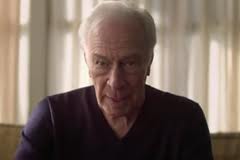
‘SHOULD WIN’ VIDEO ESSAY SERIES: Best Supporting Actor Christopher Plummer, BEGINNERS

‘SHOULD WIN’ VIDEO ESSAY SERIES: Best Supporting Actor Christopher Plummer, BEGINNERS

[EDITOR'S NOTE: Press Play presents "Should Win," a series of video essays advocating winners in seven Academy Awards categories: supporting actor and actress, best actor and actress, best director and best picture. These are consensus choices hashed out by a pool of Press Play contributors. We'll roll out the rest of the series between now and Friday. Follow along HERE as Press Play decides the rest of the major categores including Best Picture, Best DirectorBest ActorBest ActressBest Supporting Actress and Best Documentary. Important notice: Press Play is aware that our videos can not be played on Apple mobile devices. We are, therefore, making this and every video in this series available on Vimeo for these Press Play readers. If you own an Apple mobile device, click here.]

Narration:

Almost all the nominees for Best Supporting Actor do terrific work in roles that feel tailor-made to highlight their strengths. Kenneth Branagh's early work as director/star on stage and screen earned him comparisons to Laurence Olivier; he fulfills his destiny by actually playing Olivier in My Week with Marilyn. Nick Nolte reminds us why he's one of the last great tough guys as the hard-ass recovering alcoholic father in Warrior. Jonah Hill gets the MVP award as a baseball-loving numbers cruncher in Moneyball. And in Extremely Loud and Incredibly Close, Max von Sydow gives a master class in "less is more." But Christopher Plummer does something extra in Beginners. As Hal Fields, who at 75 becomes a widower and decides to come out of the closet to his sad-sack son, Plummer masterfully avoids bad laughs and cheap sentiment. Instead, he uses his experience in life and as an actor to wipe away the dignified fad that was the hallmark of his acting. In a relatively short amount of screen time, Plummer allows us to experience a man's life in full, from the regret of not being more courageous, to the casual cruelty that a father can inflict on his son, to the passion to not let a little thing like death prevent you from enjoying life. It is such a classic example of an actor and a role being perfectly matched that you realize that you've seen something more than Plummer's best performance – he's just getting started.

Kevin B. Lee is Editor in Chief of Press Play. He is also a film critic and award-winning filmmaker. San Antonio-based film critic Aaron Aradillas is a contributor to The House Next Door, a contributor to Moving Image Source, and the host of “Back at Midnight,” an Internet radio program about film and television.

OSCARS DEATH RACE: RISE OF THE PLANET OF THE APES

OSCARS DEATH RACE: RISE OF THE PLANET OF THE APES

null

[EDITOR'S NOTE: Fearless Sarah D. Bunting of Tomatonation.com is making it her mission to watch every single film nominated for an Oscar before the Academy Awards Ceremony on February 26, 2012. She is calling this journey her Oscars Death Race. For more on how the Oscars Death Race began, click here. And you can follow Sarah through this quixotic journey here.]


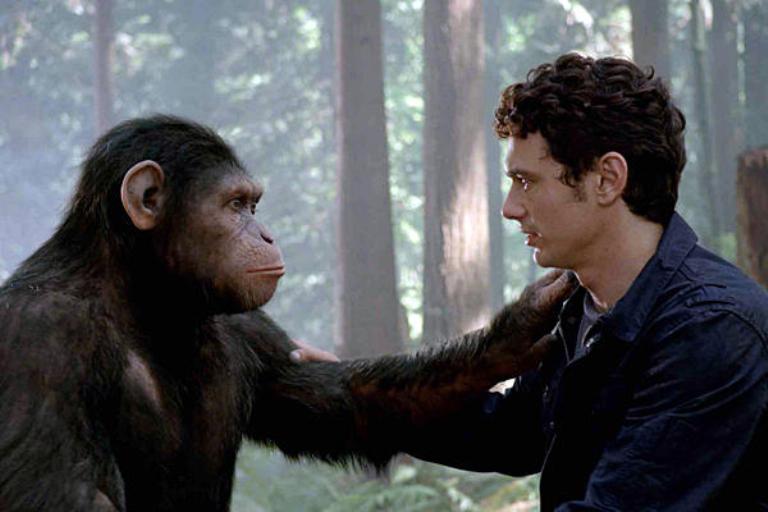
A pensive, moving exegesis on the perils of primate resear– oops, sorry. Thinking of Project Nim. Rise of the Planet of the Apes is a straight-ahead enjoy-the-AC summer movie, and if you can't see it in a theater, you needn't bother. I did not see it in a theater, so I could not derive the enjoyment the foggy climactic shoot-outs and chopper crashes surely provided for in-person filmgoers — and that only left lines like "These people invest in results, not dreams" and James Franco's master class on phoning it in, "101 Troubled Frowns."

nullThe very short form: Franco (the "character" is barely realized, so why name him) is developing a medicine to cure Alzheimer's, from which his father (John Lithgow) (…right?) suffers. Primate research shows it works, but also points up some serious side effects; chimps dosed with ALZ-112 (…right?) get crazy smart, but also crazy mad. That includes Caesar, the chimp Franco kind of accidentally adopts, then raises with the help of his with-it-again dad, and also his girlfriend Frieda Pinto (Slumdog Millionaire) and her glorious eyebrows. She's a primatologist, maybe? Or a vet? Right, my mistake: she's a delivery system for lines about how some things shouldn't be changed.
The movie wastes no time getting straight to plot, which is good; it's an economical 100-ish minutes, which is also good. But that still leaves viewers time to wonder why Franco and Lithgow's neighbor doesn't just move away if he's going to get constantly harassed by chimps, car-wrecked by Lithgow, and bloody-sneezed on by that chunky fella from Reaper — or why, as Extra Hot Great commenter Will asked, "This movie took place over 8 years, and no one ever got a haircut?"

But we come to praise the visual effects, not to bury the script, I guess. Alas, the effects are not that awesome. Something about the way the chimps move is not quite right — there's a quickness of motion that makes them seem too light. One chase scene is a treetop shot of chimps moving through the trees that shows only the leaves rustling, which is pretty cool, but that's not going to get it done against work like Hugo.

Sarah D. Bunting co-founded Television Without Pity.com, and has written for Seventeen, New York Magazine, MSNBC.com, Salon, Yahoo!, and others. She's the chief cook and bottle-washer at TomatoNation.com.

Raiding The Lost Ark: A Filmumentary By Jamie Benning

Raiding The Lost Ark: A Filmumentary By Jamie Benning

Raiding The Lost Ark: A Filmumentary By Jamie Benning from jambe davdar on Vimeo.

[EDITOR'S NOTE: In the tradition of Star Wars Begins, filmmaker Jamie Benning has stitched together the perfect informative tribute to this classic film. Don't miss it.]

OSCARS DEATH RACE: HUGO

OSCARS DEATH RACE: HUGO

null

[EDITOR'S NOTE: Fearless Sarah D. Bunting of Tomatonation.com is making it her mission to watch every single film nominated for an Oscar before the Academy Awards Ceremony on February 26, 2012. She is calling this journey her Oscars Death Race. For more on how the Oscars Death Race began, click here. And you can follow Sarah through this quixotic journey here.]

Hugo Cabret (Asa Butterfield) lives in a fairy tale, in both senses of that word. He's not troubled with real-life adolescent bagatelles like homework, and he lives unsupervised in the clock tower of a Parisian train station, where he's in charge of keeping the clocks running.

nullBut Hugo is unsupervised because his parents have both died. (…I believe? I'm not entirely clear on what has become of his mother; his father, played by Jude Law, is consumed by a fiery backdraft in flashback, and this is not explained either.) Hugo's druncle Claude (Ray Winstone) takes custody of the boy, sticks around long enough for Hugo to learn the station-clock trade, then goes on walkabout, and Hugo is left to fend for himself. Fortunately, he's gifted at fixing things, so he keeps the clocks running in the hopes that nobody will notice Claude has gone missing, and dodges the station inspector (Sacha Baron Cohen), an orphan-phobe with a mechanical leg and an equally hostile Doberman. Hugo nicks pastries from bakeries, and spare parts from Georges, the sour proprietor of a toy stall (Ben Kingsley), because on top of keeping the time and staying out of the boys' home, Hugo has a third job: trying to fix an old automaton repatriated by his father from a museum, in the hope that the machine will send him one last message from beyond the grave. And it does, in more ways than one.

Hugo is beautiful entirely aside from the thoughtful 3D effects. Snow looks real, and cold; clock gears look real, and old; the characters frequently compare movies to dreams, and the visual style has a heightened, almost Burton-y dreaminess, in the small touches almost more than the big showy bits (the bishop's sarcophagus; the weave of Hugo's sweater). The characters, and the way they're shot, contribute to the fable feeling; Hugo shortly finds an ally in Isabelle (Chloe Grace Moretz), Georges's goddaughter, a girl who loves libraries and big words and longs for one of the adventures she's enjoyed within them, and her ally is the peerless Christopher Lee as bookseller Monsieur Labisse. Labisse is usually shot from an angle that emphasizes his towering size, which both intimidates and protects.

nullThe mythological story — the labors to earn back the notebook, the redemption of the warrior of the past who now toils in heartbroken obscurity — might not seem like an intuitive choice for Martin Scorsese. But the story is a love letter to film, and to the "indoorsy kids" through the ages who, confined to quarters, learned the world through the stories of others. That sort of elegy could pall quickly, and the speeches about the magic of cinema are…just that, but they're also relatively short, utterly sincere, and backed by Scorsese's voluminous knowledge. I liked The Artist well enough, but Hugo makes it look even gimmickier by comparison.

The superstitions of children that aren't just children's; Law, examining the automaton and recalling the company he kept in AI; Isabelle's horrified "DON'T YOU LIKE BOOKS?!" and Georges's defeated "Please, just — go away" — there is a bittersweet current running through Hugo that makes it much more than its technical achievements, and a wonderful note to hit for Scorsese. I love the man's work, but he can present at times as alienated from the concept that movies are by and about human beings. Here, he's operating from that idea's lap, and that shift shows up all over the movie; just when you feel like you've had enough of the glowering station agent and the gags with his leg locking on him, Cohen delivers this line from the depths of a sinking chest: "Yes, I was injured in the war and it will never heal, good day mademoiselle." And there's the character in three dimensions, no special glasses required.  

Hugo Cabret (Asa Butterfield) lives in a fairy tale, in both senses of that word. He's not troubled with real-life adolescent bagatelles like homework, and he lives unsupervised in the clock tower of a Parisian train station, where he's in charge of keeping the clocks running.
 
But Hugo is unsupervised because his parents have both died. (…I believe? I'm not entirely clear on what has become of his mother; his father, played by Jude Law, is consumed by a fiery backdraft in flashback, and this is not explained either.) Hugo's druncle Claude (Ray Winstone) takes custody of the boy, sticks around long enough for Hugo to learn the station-clock trade, then goes on walkabout, and Hugo is left to fend for himself. Fortunately, he's gifted at fixing things, so he keeps the clocks running in the hopes that nobody will notice Claude has gone missing, and dodges the station inspector (Sacha Baron Cohen), an orphan-phobe with a mechanical leg and an equally hostile Doberman. Hugo nicks pastries from bakeries, and spare parts from Georges, the sour proprietor of a toy stall (Ben Kingsley), because on top of keeping the time and staying out of the boys' home, Hugo has a third job: trying to fix an old automaton repatriated by his father from a museum, in the hope that the machine will send him one last message from beyond the grave. And it does, in more ways than one.

Sarah D. Bunting co-founded Television Without Pity.com, and has written for Seventeen, New York Magazine, MSNBC.com, Salon, Yahoo!, and others. She's the chief cook and bottle-washer at TomatoNation.comFor more on how the Oscars Death Race began, click here.

OSCARS DEATH RACE: Surveying the race for Best Supporting Actress?

OSCARS DEATH RACE: Surveying the race for Best Supporting Actress?

null[EDITOR'S NOTE: Sarah D. Bunting of Tomatonation.com is watching every single film nominated for an Oscar before the Academy Awards Ceremony on February 26, 2012. She is calling this journey her Oscars Death Race. She has completed the category for Best Supporting Actress and now surveys the competition. For more on how the Oscars Death Race began, click here. And you can follow Sarah through this quixotic journey here.]

Picking the winners in Oscar categories reminds me a lot of the arguments about the MVP in baseball, and how we should define "valuable" — is it the guy with the best stats? is it the guy who made the biggest difference to an otherwise mediocre team? a combination?

nullI'll compare almost anything to baseball, given a chance, but the MVP-argument parallel is apt in many of Oscar's acting categories this year, where several of the nominees represent not just a notable achievement in acting, but also the only thing worth a damn in the film in which it appeared.

The nominees

Bérénice Bejo (The Artist): I liked her well enough, but I wouldn't say she put a stamp on the role, more than anyone else would have.

Jessica Chastain (The Help): Adorable in this part. Absolutely sold me on a movie I expected to loathe with her sheer delight in shaking the chicken.

Melissa McCarthy (Bridesmaids): I like McCarthy, I like the idea of that character, but the writing of it seemed like a man's notes on a woman's guess at what a real person like that character would act like, if that makes any sense at all. Points for the effort, but it's too broad, and the nom reads like the Academy trying to show that it doesn't discriminate against comedies.

Janet McTeer (Albert Nobbs): Here's where the MVP conversation comes into play. McTeer keeps an inconsistent and overworked script on the right side of twee whenever she's onscreen. It's a steady and inviting performance, not too studied, and it would get my vote.

Octavia Spencer (The Help): The oddsmaker's pick, as of this writing. Another nomination for an above-average rendering of too-broad writing.

Who shouldn't be here: Bejo probably got filed in Best Supporting so she wouldn't run into the twin buzzsaws of Viola Davis and Meryl Streep in Best Actress, but I think her role's too big for this category.

Who should be here, but isn't: I wouldn't have minded seeing Robin Wright get a nod here for Rampart; she really raised her game in 2011. Ditto Amy Ryan in Win Win, which also threw a shutout at the Oscars. Hat tip to members of the Bridesmaids and The Help casts (Rose Byrne; Sissy Spacek) who could just as easily have slotted in here.

Who should win: McTeer.

Who will win: It's not impossible that voters give Davis Best Actress, then decide to share some wealth to Bejo in Best Supporting. (You could argue that two actresses from The Help might split the vote; I don't see Chastain figuring in this one, though.) But Spencer is the safe pick.

Sarah D. Bunting co-founded Television Without Pity.com, and has written for Seventeen, New York Magazine, MSNBC.com, Salon, Yahoo!, and others. She's the chief cook and bottle-washer at TomatoNation.comFor more on how the Oscars Death Race began, click here.

OSCARS DEATH RACE: RIO

OSCARS DEATH RACE: RIO

[EDITOR'S NOTE: Fearless Sarah D. Bunting of Tomatonation.com is making it her mission to watch every single film nominated for an Oscar before the Academy Awards Ceremony on February 26, 2012. She is calling this journey her Oscars Death Race. For more on how the Oscars Death Race began, click here. And you can follow Sarah through this quixotic journey here.]


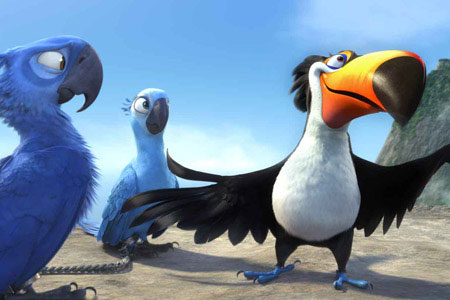
nullA serviceable but obvious animated tale about a blue macaw named Blu (Jesse Eisenberg, typecast even in avian-cartoon form) who reluctantly returns to his roots in Brazil, then finds love…and his wings. Awww! But also, kind of zzzz! Rio's most striking visuals and renderings of animal physicality will only remind you of How To Train Your Dragon, a smarter and more thoughtful film across the board, which you will then want to watch instead!

You've seen it done before, and better, but Rio is not terrible. It has flashes of wit, like the monkey text-message exchange, and it does right by chase scenes and fight sequences; the birds-versus-monkeys rumble in the bird nightclub is fun. The voice acting is fine, screeches and strains less than you might expect, and George Lopez is enjoyably low-key as Rafael the toucan, despite the damp counsel and one-liners he's tasked with disgorging. Casting Bebel Gilberto as Rafael's wife is a clever touch, but it's a pity Gilberto wasn't tapped to write or perform the nominated song. Instead, it's a loud, generic pastiche that should prompt a conversation at the Academy about what the Original Song category is trying to do in the twenty-first century. Assuming that "not suck" is an action item, perhaps it's not necessary to award this Oscar when the "selection" is as thin as this year's.

That the Academy has failed to acknowledge changing times isn't Rio's fault. Yeah, the movie's version of Brazilian culture makes Epcot look like a grad seminar, but it's for kids, and basically it's unobjectionable — more than I can say for some of jalopies double-parked in the Best Picture lane. I just don't know what it's doing here; Brahms could have written that song, it wouldn't beat the Muppets.

Sarah D. Bunting co-founded Television Without Pity.com, and has written for Seventeen, New York Magazine, MSNBC.com, Salon, Yahoo!, and others. She's the chief cook and bottle-washer at TomatoNation.comFor more on how the Oscars Death Race began, click here.